
The Seaboard Take
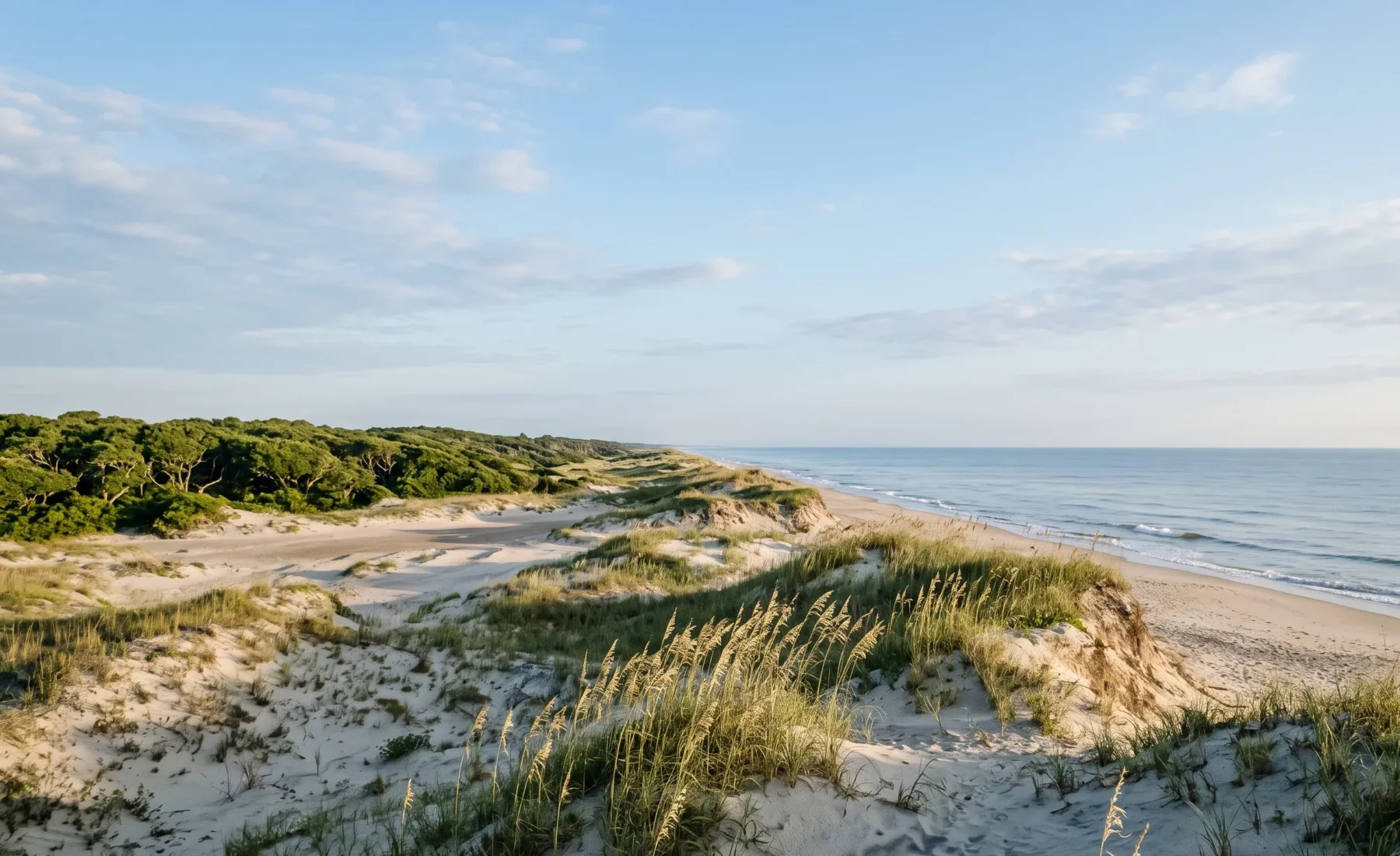
Corolla is at its best when you treat it not just as a cottage rental outpost, but as the dramatic meeting point where Gilded Age sporting heritage gives way to wild dunes. Spend your mornings walking the shaded village lanes and climbing the brick lighthouse, then retreat soundside or head onto the sand flats of Carova as late afternoon light takes over.
Our Quick Picks
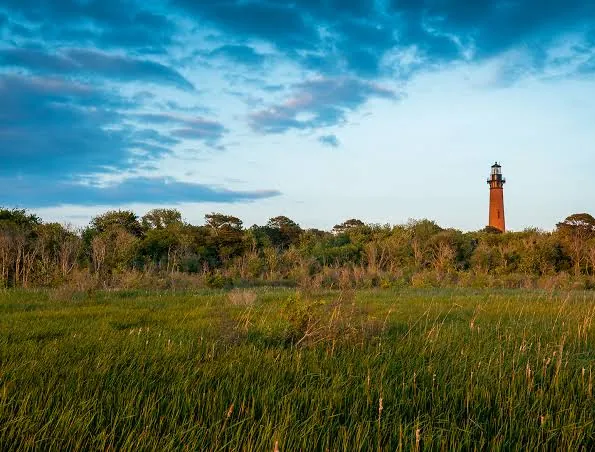
Currituck Beach Lighthouse
Best for Panoramic sound-to-sea views and maritime architecture
View details
Distinctive unpainted red-brick tower featuring 220 steps and panoramic views of Currituck Sound.
- 220 steps to the open-air lantern gallery
- One of the only unpainted red-brick lighthouses on the coast
- Grounds are free; climbing ticket required for the tower
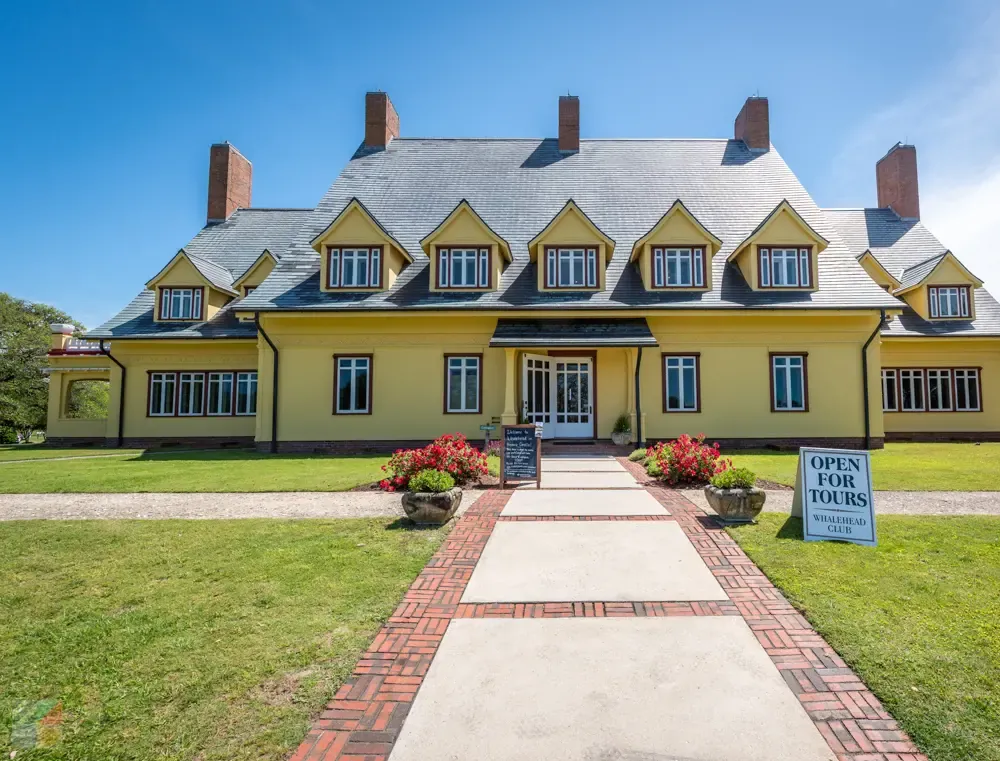
Whalehead in Historic Corolla Park
Best for 1920s architecture, waterfront lawns, and sound sunsets
View details
Restored 1920s Art Nouveau hunting residence set on generous soundside park acreage.
- Park grounds and footbridges are free to roam daily
- Interior tours require an admission ticket
- Premier sunset watching location over Currituck Sound

Carova Beach (Wild Horse Area)
Best for Mustang sightings along remote sand flats and dunes
View details
Home to the historic Spanish mustangs roaming freely along barrier dunes beyond the paved highway.
- Requires high-clearance 4WD with tires aired down to 15-20 psi
- Strict 50-foot legal buffer required from all horses
- Guided 4x4 tours available if your vehicle is not equipped
Historic Corolla Village
Best for Shaded walks, indie bookshops, and slow village pacing
View details
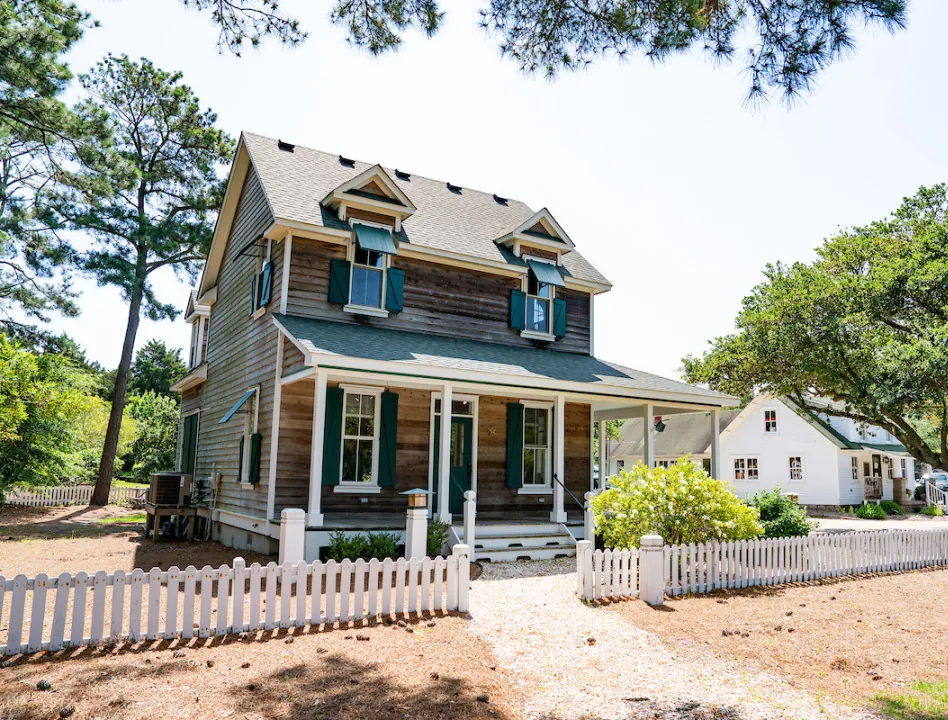
Preserved sandy-lane hamlet lined with historic residences repurposed into independent craft shops.
- Unpaved pedestrian-friendly sandy lanes
- Located immediately opposite the lighthouse grounds
- Best visited early in the day when foot traffic is low
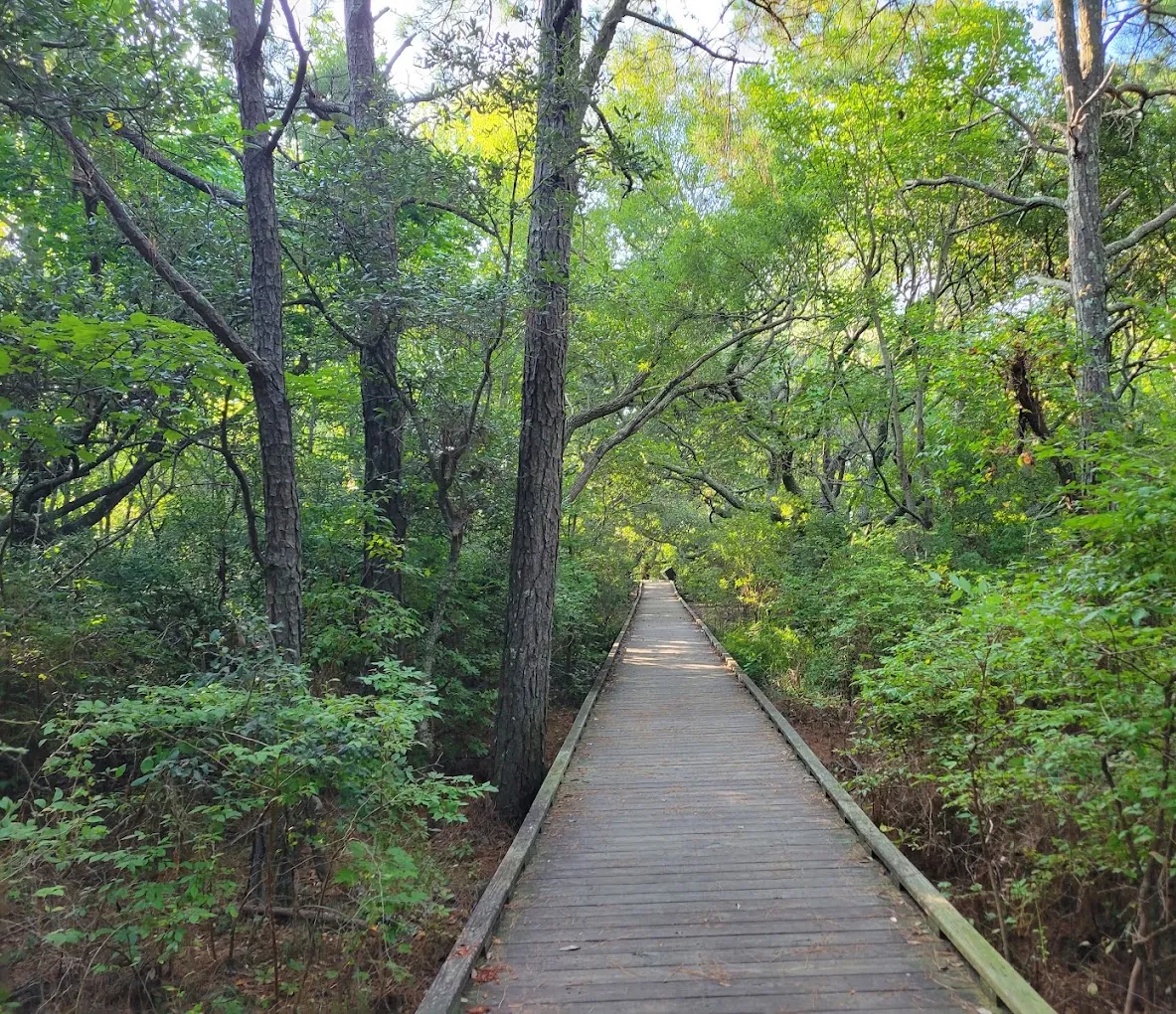
Currituck Banks Reserve
Best for Maritime forest boardwalks, birding, and serene sound views
View details
Pristine 965-acre nature sanctuary preserving maritime forest, marsh, and untouched sound frontage.
- Features an ADA-accessible boardwalk to the sound
- Longer primitive dirt trail heads deeper into the marsh
- Insect repellent recommended in humid summer months
Outer Banks Center for Wildlife Education
Best for Currituck sound ecology, decoy carving heritage, and family visits
View details
High-quality state educational center covering sound ecology and regional decoy carving traditions.
- Admission is completely free year-round
- Houses an 8,000-gallon aquarium with native species
- Boardwalks provide sound access for kayaks and paddleboards
Swipe to explore the shortlist.
Map of Corolla
Tap a place for the quick read.
Currituck Beach Lighthouse
Standing over the northern reach of the Outer Banks, the Currituck Beach Lighthouse immediately distinguishes itself from its regional siblings. Unlike the black-and-white diamond or candy-stripe paint coats of Cape Lookout, Bodie Island, or Cape Hatteras, Currituck was left unpainted. Its striking exterior reveals roughly one million red clay bricks, giving it a weathered, earthy tone that blends into the surrounding live oak canopy.
The climb to the top involves 220 steps spiraling up through original cast-iron staircases, punctuated by landing exhibits detailing the keepers who maintained the light starting in 1875. At the lantern deck, you step out to an open-air gallery with expansive views stretching east across the Atlantic surf and west over the wide, marshy expanse of Currituck Sound.
Visiting early in the morning before midday heat climbs inside the brick shaft is the easiest way to enjoy the ascent. The grounds beneath the tower are free to stroll and shaded by ancient live oaks, making the entire compound an effortless opening stop when exploring Corolla Village.
Whalehead in Historic Corolla Park
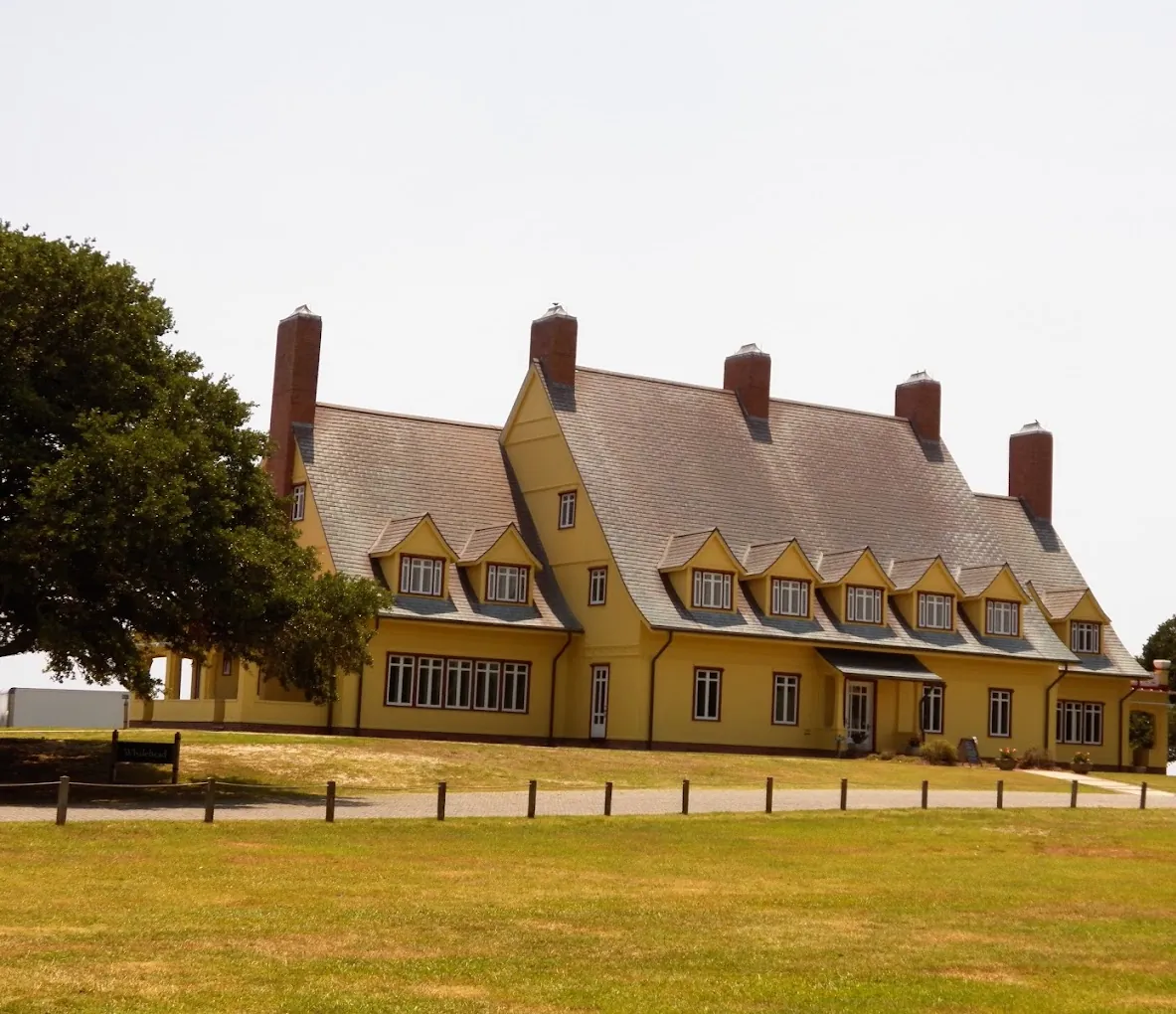
Set against the open waters of Currituck Sound, Whalehead is an unmistakable architectural presence on the coast. Constructed in the 1920s as a winter retreat and waterfowl shooting lodge for wealthy industrialist Edward Collings Knight Jr. and his wife Marie Louise, the sprawling 21,000-square-foot residence features bright yellow exterior walls, olive-green woodwork, and graceful Art Nouveau flourishes throughout.
The restored residence functions as a museum offering tours of its intricate interior, showcasing period furnishings, original Tiffany light fixtures, and basement gun and hunting lockers. Even if you choose not to step inside for a formal room tour, the surrounding grounds of Historic Corolla Park are open to the public without admission fees.
Wide wooden footbridges cross shallow tidal ponds on the property, and the long waterfront lawn provides one of the premier sunset vantage points in the Northern Outer Banks. Packing a blanket and settling near the soundside bulkheads as the afternoon cools off is a daily ritual for locals and visitors alike.
Carova Beach (Wild Horse Area)
A few miles north of Corolla's developed village, NC-12 abruptly terminates into an open ramp of soft ocean sand. Beyond this threshold lies the four-wheel-drive territory of Carova Beach, home to the herd of feral Colonial Spanish Mustangs that have inhabited these barrier islands for roughly five centuries.
Watching the horses graze on sea oats along the primary dunes or walk through the ocean wash is an evocative sight, but navigating the area requires serious discipline. Driving the sand requires an authentic 4WD vehicle with low range, plenty of ground clearance, and tires aired down to roughly 15 to 20 psi. All-wheel-drive crossovers with low clearance consistently get bogged down in deep sand ruts, turning an afternoon outing into an expensive towing extraction.
County and town ordinances strictly enforce wildlife protection laws: you must maintain at least 50 feet of distance from the wild horses at all times, and feeding or touching them is illegal. For travelers without a dedicated four-wheel-drive truck or the comfort to read shifting coastal sand, booking an open-air safari tour with a local outfitter allows you to see the herd while leaving navigation and safety to professional drivers.
Historic Corolla Village
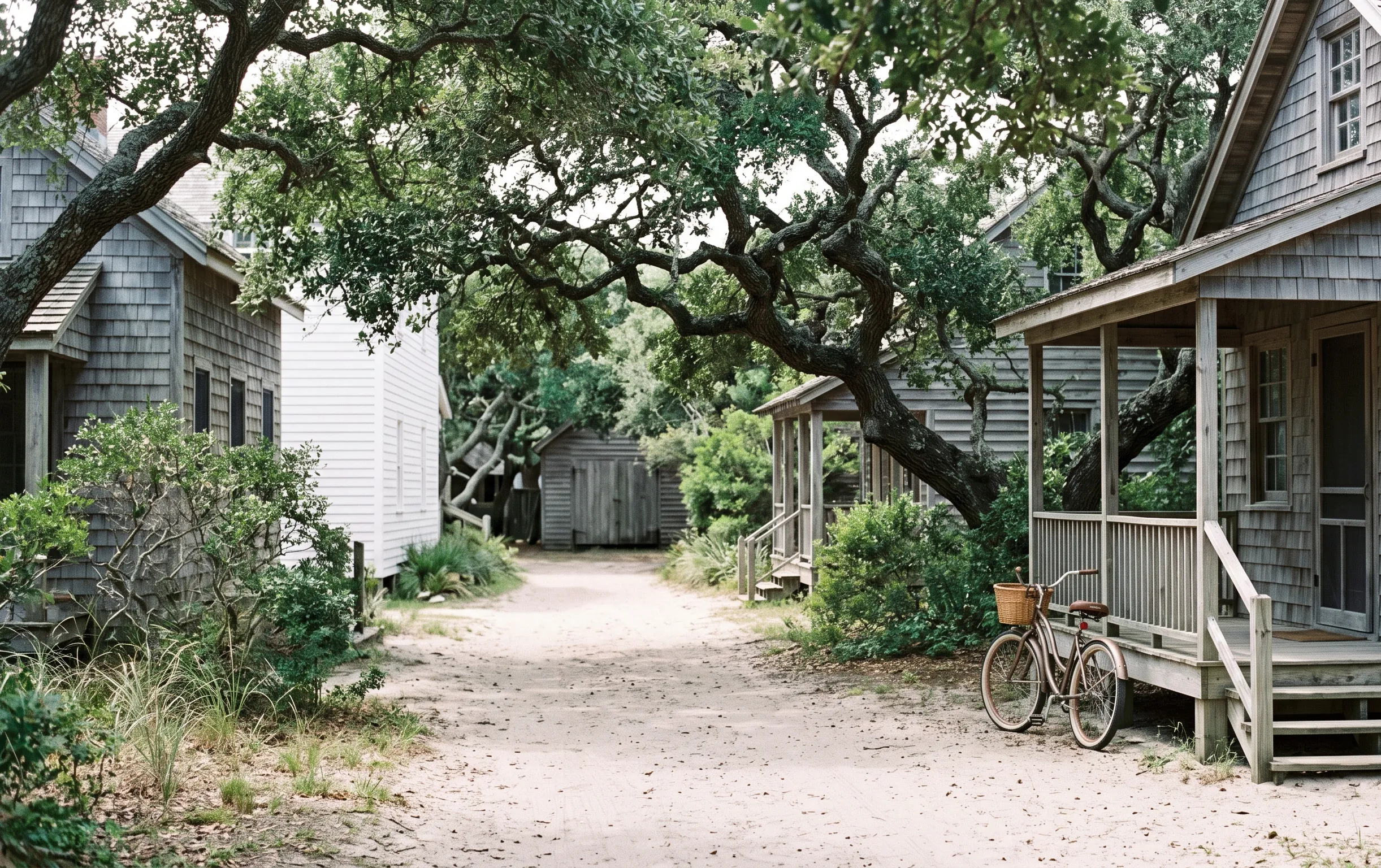
Tucked into the shade directly across from the lighthouse, Historic Corolla Village retains the peaceful, unhurried rhythm of a 19th-century coastal fishing hamlet. While much of the modern Outer Banks has developed into sprawling multi-story rental rows, this pocket of land remains largely unpaved, with sandy footpaths shaded by windswept live oaks.
Several restored historic structures have been repurposed into low-key, independently operated shops. You will find small bookstores operating out of historic residences, local craft outposts, and casual coffee stops that reward slow exploration on foot or by bicycle. It feels distinctly removed from the strip malls found farther down the highway.
Because parking throughout the village lanes is limited, the ideal strategy is to leave your car in the main Historic Corolla Park lots and walk the sandy lanes on foot. It pairs naturally with an early morning lighthouse climb, before beach crowds pack the central crosswalks.
Currituck Banks Reserve
Just south of where the pavement ends on NC-12, the Currituck Banks Reserve preserves a pristine transect of barrier island ecology. Spanning roughly 965 acres, this protected tract protects fragile maritime forest, freshwater wetlands, salt marsh, and soundside estuaries.
A well-maintained, ADA-accessible elevated boardwalk begins at the roadside parking area and leads walkers through a dense canopy of loblolly pines, wax myrtles, and tangled maritime vines before terminating at a viewing deck overlooking the sound. For those seeking a longer hike, a natural dirt and sand trail branches off into the interior ridges, offering rare solitude along the edge of the marshes.
This is an exceptional spot for birding, especially during shoulder seasons when migratory waterfowl and songbirds rest in the maritime canopy. Bring insect repellent during the summer months, as the sheltered maritime understory can harbor biting flies when soundside breezes drop.
Outer Banks Center for Wildlife Education
Located inside Historic Corolla Park right next to Whalehead, the Outer Banks Center for Wildlife Education explores the cultural and ecological ties between local communities and the surrounding Currituck Sound. Operated by the North Carolina Wildlife Resources Commission, this impressive facility is entirely free to enter.
Inside, the 22,000-square-foot center features an impressive 8,000-gallon aquarium holding native fish species, alongside extensive exhibits documenting the storied heritage of regional waterfowl decoy carving. Generations of market hunters, fishing guides, and artisans helped define Currituck Sound's sporting culture, and the vintage wooden decoys on display represent a distinct coastal craft tradition.
The surrounding boardwalks also offer access to shallow soundside waters, serving as a tranquil launch point for self-guided kayak and paddleboard trips along the edge of the marshes. It provides thoughtful context that deepens your understanding of Corolla's coastal environment beyond its oceanfront beaches.
Corolla Essentials: Planning Your Days
Navigating Corolla effectively requires adapting to its geography. Highway 12 is the only roadway connecting Corolla to the southern beaches like Duck and Kitty Hawk, and weekend rental turnover traffic can create substantial bottlenecks. Planning to arrive or depart outside of peak weekend midday windows will save you hours on the road.
If you are basing yourself here for a broader coastal trip or comparing regional hubs, review our guide to the best accommodations in Outer Banks to understand how northern rental cottages differ from central hotel and inn options. Those interested in pairing Corolla's historic sites with dune exploration further south should also look into things to do in Nags Head.
When planning daytime outings, cluster the historic district sites together. Currituck Beach Lighthouse, Whalehead, Historic Corolla Village, and the Center for Wildlife Education all share contiguous ground or sit within five minutes of walking distance, allowing you to park once and spend several uninterrupted hours exploring on foot.