The Seaboard Take
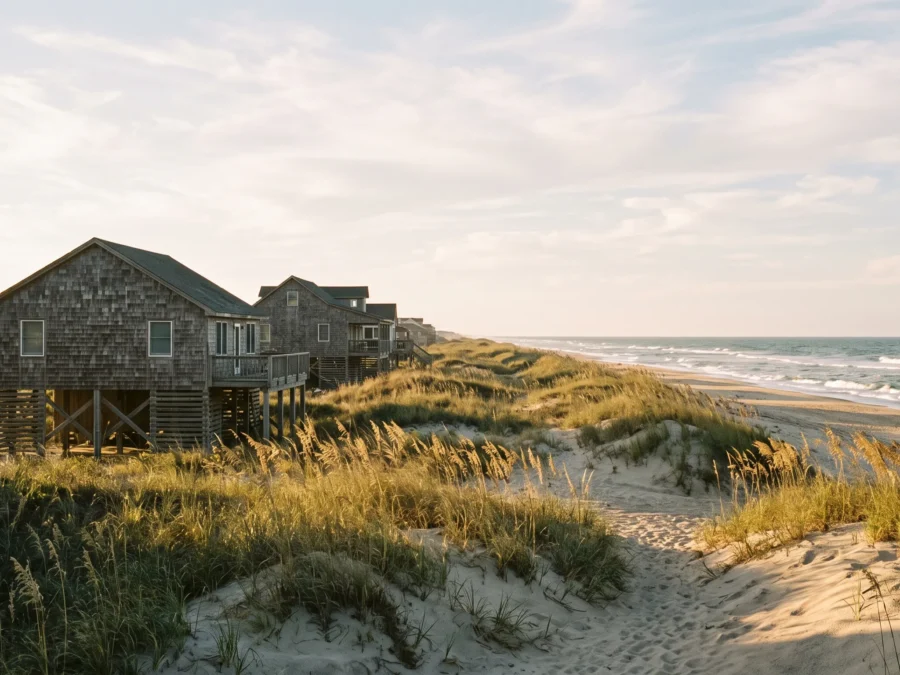
The Outer Banks is not a single coastal town; it is a 100-mile ribbon of distinct maritime micro-cultures. Success here means matching your lodging to your desired pace. Choose Duck for self-contained resort ease, Kill Devil Hills or Nags Head for classic sandbar energy, Manteo for quiet harbor walks, or Hatteras for wild, wind-battered isolation.
Our Quick Picks
Sanderling Resort
Best for Upscale resort amenities and dual sound-and-ocean access
View details
The only comprehensive luxury resort on the northern Outer Banks, blending full spa and dining amenities with natural maritime dune surroundings.
- Spans both Atlantic Ocean beachfront and Currituck Sound waterfront
- Features elevated coastal dining at Theodosia
- Summer traffic heading through Duck can be slow on changeover days
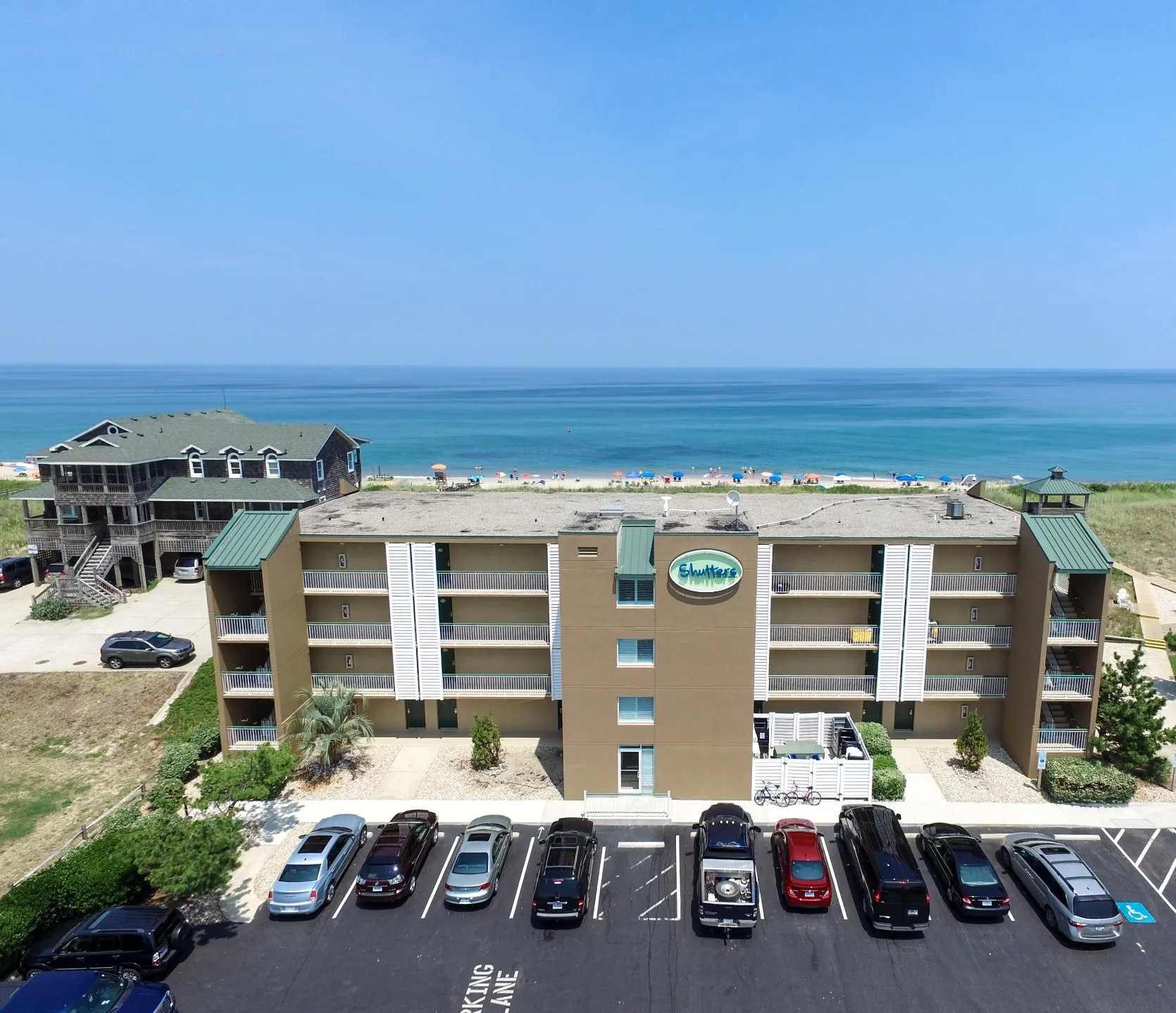
Shutters on the Banks
Best for Central beach weekends and family-friendly ocean access
View details
An unpretentious oceanfront hotel that provides direct dune walkover access and private balconies right in the hub of the central beaches.
- Oceanfront rooms feature private balconies overlooking the surf
- Includes heated indoor and outdoor swimming pool facilities
- Walking distance to local seafood spots and central beach shops
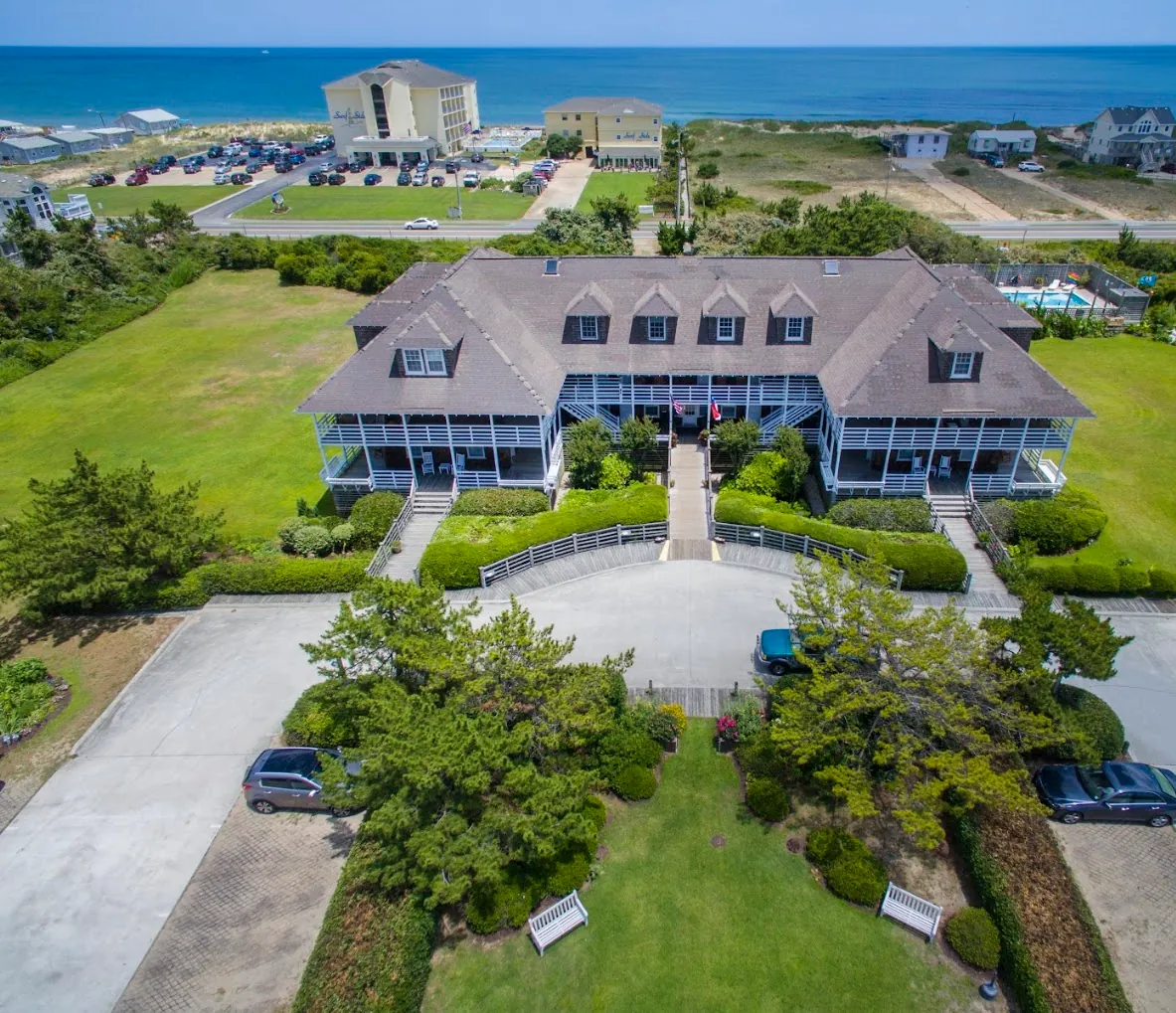
First Colony Inn
Best for Vintage charm, porch sitting, and heritage architecture
View details
A registered historic 1932 Shingle-style property offering timeless coastal character and sweeping wraparound verandas.
- Continuous verandas lined with traditional rocking chairs
- Dedicated private boardwalk through the dunes to the beach
- Conveniently situated near Jockey's Ridge State Park
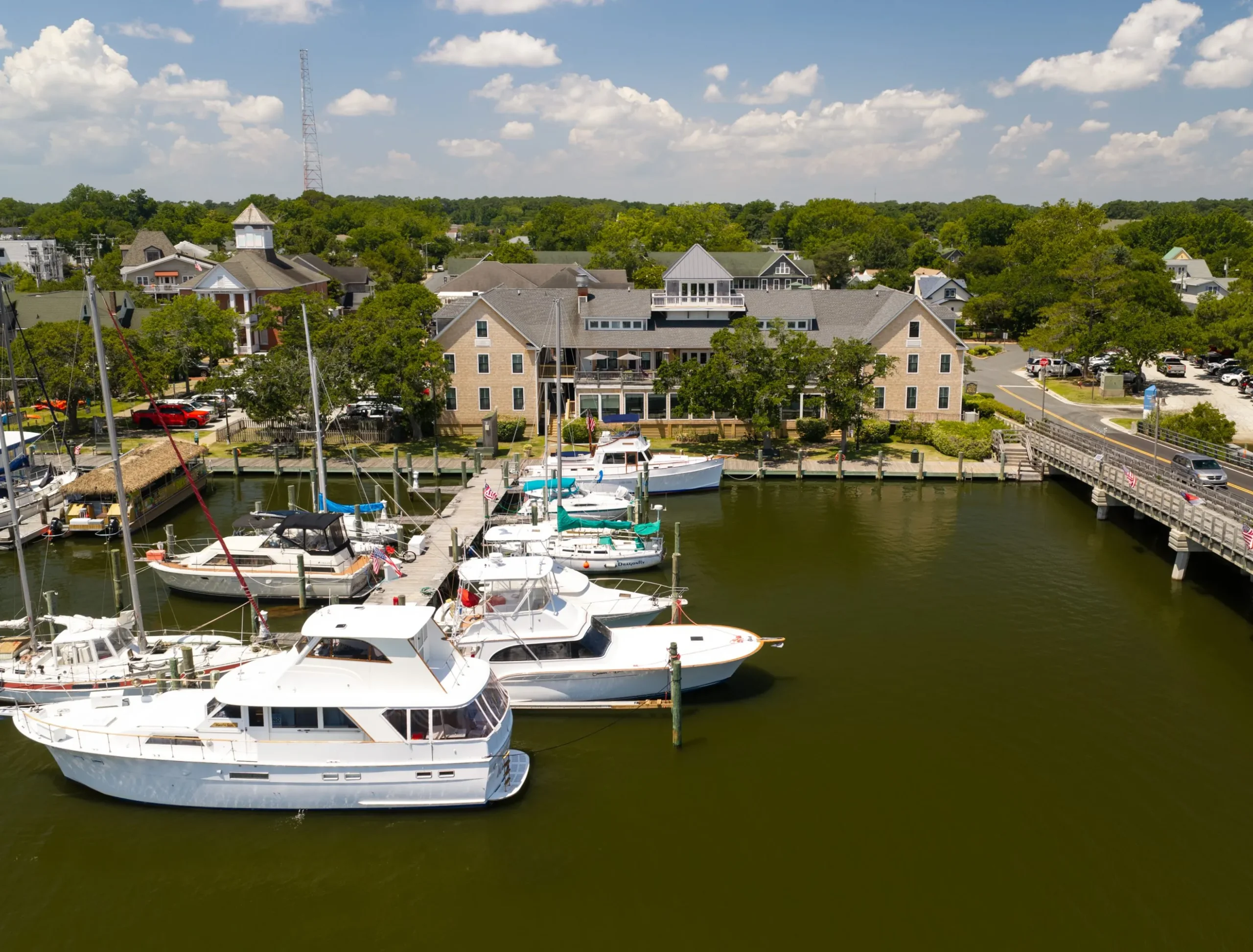
The Tranquil House Inn
Best for Walkable historic village life and calm harbor views
View details
A serene Roanoke Island harborfront inn that replaces highway traffic with walkable streets, maritime history, and sound breezes.
- Overlooks the docks and sailboats of Shallowbag Bay
- Steps from downtown Manteo shops, galleries, and boardwalks
- Beaches of Nags Head are approximately ten minutes away by car
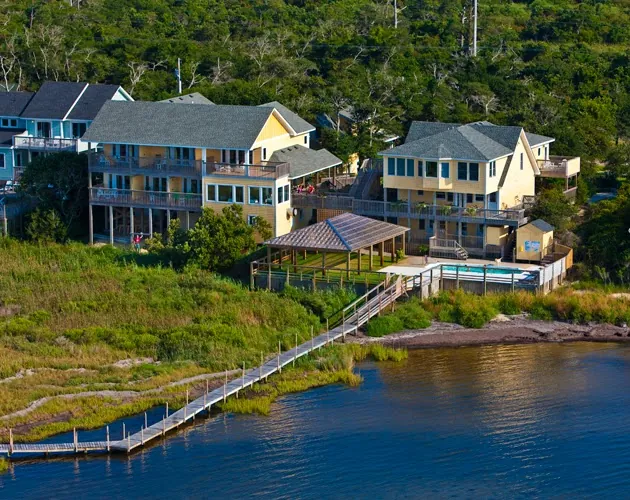
The Inn on Pamlico Sound
Best for Quiet nature immersion, watersports, and soundfront sunsets
View details
A secluded, adult-oriented boutique inn embedded in the maritime forest of Hatteras Island, offering exceptional sunset dining and sound access.
- Private dock with complimentary paddleboards and kayaks
- Panoramic sunset views over the calm waters of Pamlico Sound
- Located within Cape Hatteras National Seashore near Buxton Woods
Swipe to explore the shortlist.
Map of Outer Banks
Tap a place for the quick read.
Sanderling Resort (Duck)
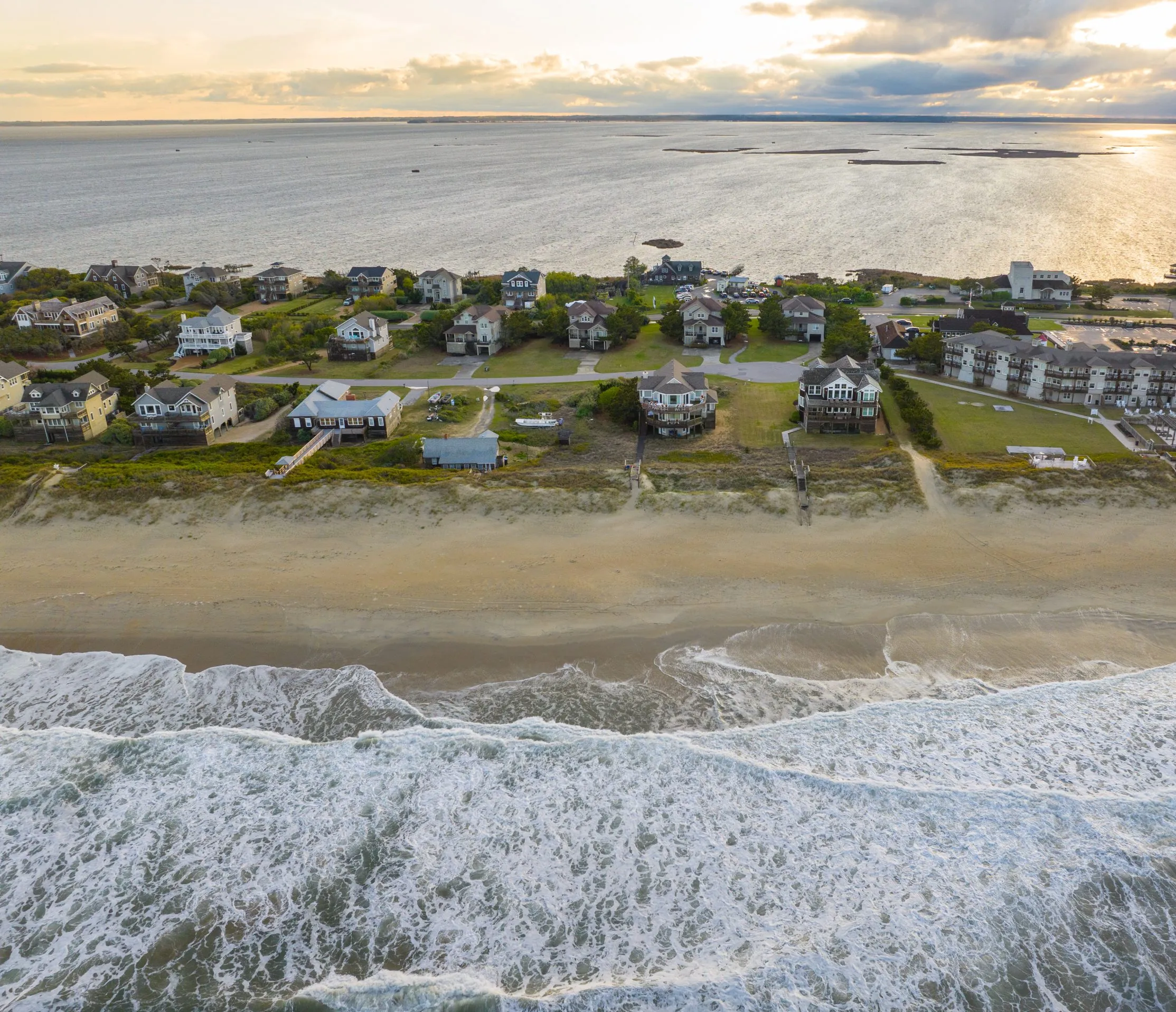
Occupying a narrow strip of barrier island between the Atlantic Ocean and Currituck Sound, Sanderling Resort remains the benchmark for full-service lodging on the northern beaches. It is one of the few properties in the region that delivers a true resort footprint without feeling generic or out of scale with the coast.
The resort balances both waterfronts: you can walk the dune line for sunrise over the ocean and cross the grounds in the evening for sunset across the calm sound. Guest rooms and private residences are finished in weathered cedar siding and restrained coastal tones, emphasizing porch living and marsh views.
With multiple pools, an expansive spa, and on-site dining including Theodosia from chef Vivian Howard, Sanderling suits travelers who want an effortless, self-contained coastal stay. The trade-off is distance; you are well north of the central Outer Banks bridges, so expect slow drives if you plan to explore southward.
Shutters on the Banks (Kill Devil Hills)
Shutters on the Banks delivers the quintessential central Outer Banks oceanfront experience without the impersonal feel of a highway chain. Positioned right on Virginia Dare Trail, it offers direct access to a wide stretch of beach in Kill Devil Hills, backed by classic wooden walkovers.
The property embraces traditional coastal architecture, with wide porches, crisp white railings, and ocean-facing balconies. Rooms are clean, comfortable, and functional, geared toward couples and families who intend to spend the bulk of their day between the surf and the heated indoor-outdoor pool.
Its central location is its greatest asset. You are minutes from the Wright Brothers National Memorial, local fish houses, and surf shops, making it an ideal anchor for weekenders who want easy logistics and the sound of waves outside their window at night.
First Colony Inn (Nags Head)
Listed on the National Register of Historic Places, First Colony Inn captures the spirit of Old Nags Head. Built in 1932, the two-story Shingle-style inn features continuous wraparound verandas lined with traditional wooden rocking chairs on both levels.
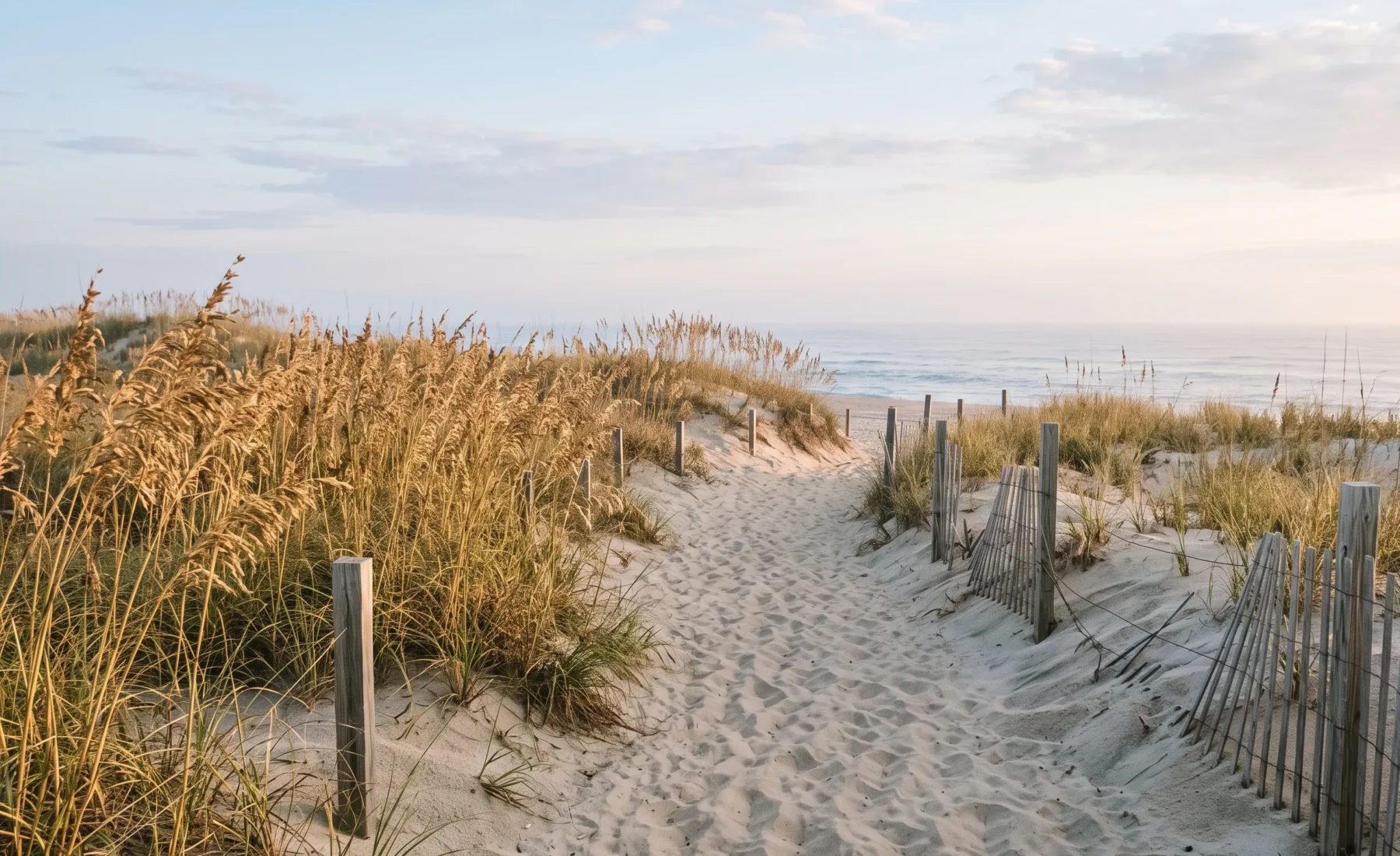
Inside, the property retains vintage coastal character with warm pine interiors and antique details, balanced by modern comforts. A private boardwalk winds through the sea oats over the dunes to the ocean, giving guests direct beach access across the beach road.
Located near Jockey's Ridge State Park, it offers a tranquil, nostalgic alternative to standard motels. It suits couples and quiet travelers who appreciate architectural history, afternoon tea, and evenings spent reading on a screened porch in the ocean breeze.
The Tranquil House Inn (Manteo)
For a completely different Outer Banks rhythm, The Tranquil House Inn sits directly on Shallowbag Bay in downtown Manteo on Roanoke Island. Modeled after 19th-century coastal resorts, the cypress-sided inn looks across quiet docks and sailboat slips rather than crashing ocean surf.
Staying here trades immediate beach access for effortless walkability. You can step outside your room and stroll brick sidewalks to independent bookstores, coffee shops, the Roanoke Marshes Lighthouse, and waterfront bistros like the on-site 1587 Restaurant and Lounge.
It serves as a refined retreat for travelers focused on regional history, maritime craft, and quiet sound breezes. When you do want sand, the central beaches of Nags Head are an easy ten-minute drive east across the causeway.
The Inn on Pamlico Sound (Buxton)
Set far down Highway 12 in the village of Buxton, The Inn on Pamlico Sound is tucked into a lush maritime forest directly on the edge of the water. This boutique inn offers a serene, adult-oriented base deep inside the Cape Hatteras National Seashore.
The setting is designed around water immersion. The inn maintains a private dock with complimentary kayaks, paddleboards, and skiffs, allowing guests to drift onto the shallow, glass-flat sound whenever conditions call for it. Evenings center on tiered dining decks positioned for golden-hour sunsets over the marsh.
The atmosphere is intimate and quiet, feeling hundreds of miles removed from the busy shopping strips of the northern beaches. It is particularly well suited for watersports enthusiasts, birdwatchers, and travelers looking to disconnect near Cape Hatteras Lighthouse.
Understanding Outer Banks Lodging: Town by Town
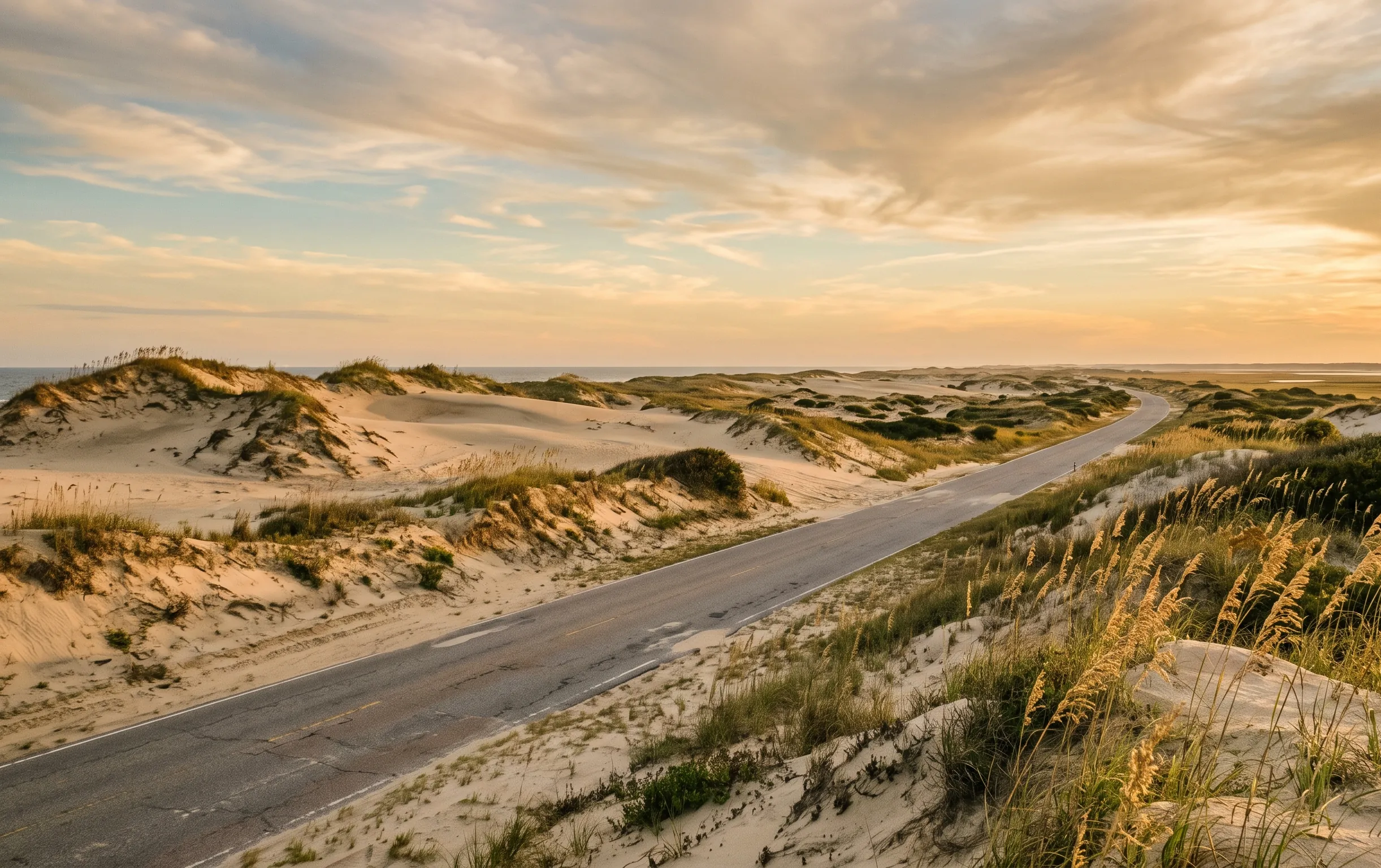
The Outer Banks stretches more than 100 miles along North Carolina's coast, linked primarily by two-lane NC Highway 12. Because driving from the northern reaches of Duck down to Hatteras Island can swallow two hours during summer traffic, where you sleep defines your entire trip.
Northern towns like Duck and Corolla feel manicured and residential, marked by cedar-shingle homes tucked into maritime forests. The central core of Kitty Hawk, Kill Devil Hills, and Nags Head represents the classic Mid-Atlantic beach vacation: dune walkovers, fishing piers, local seafood shacks, and active surf breaks.
Just inland, Roanoke Island and the town of Manteo swap ocean breakers for calm soundside docks and deep maritime heritage. Further south across the Marc Basnight Bridge, Hatteras Island shifts into undeveloped coastal wilderness, surrounded by Cape Hatteras National Seashore.
Decide first whether your priority is oceanfront sunrise access or soundfront calm. Oceanfront properties place you directly on the sand with heavy surf, while soundside stays trade crashing waves for shallow water, peaceful paddling, and uninterrupted sunsets.
Practical Planning: Booking Windows, Minimum Stays, and Seasons
Because whole-house rental companies still dominate the Outer Banks lodging market, boutique hotels and traditional inns fill up rapidly. For peak summer visits between mid-June and August, secure nightly reservations three to five months in advance. Many properties enforce three-night minimums over summer weekends.
Shoulder season offers a compelling alternative. September and October bring warm ocean water, fewer vehicles on Highway 12, and comfortable coastal breezes, as outlined in the official North Carolina coastal travel guide. Lodging rates drop substantially after Labor Day.
Keep Atlantic hurricane season in mind, which runs from June through November with peak coastal activity in late summer and early fall. Look closely at cancellation policies and consider travel insurance if visiting during late August or September.
Frequently Asked Questions
Which town in the Outer Banks is best for a first-time visitor?
Kill Devil Hills and Nags Head are ideal for first-timers because of their central location, abundant dining options, easy beach access, and proximity to major landmarks like Jockey's Ridge and the Wright Brothers Memorial.
Can you book hotels nightly in the Outer Banks during peak summer?
Yes. While vacation rental cottages almost universally demand Saturday-to-Saturday or Sunday-to-Sunday weekly bookings, traditional hotels and inns offer nightly reservations, though weekend stays often carry two- or three-night minimums in July and August.
What is the difference between staying on the oceanfront versus the soundfront?
Oceanfront lodging faces the Atlantic Ocean, giving you direct beach access, crashing surf, and morning sunrises. Soundfront lodging faces the shallow inland sounds, offering calm waters ideal for kayaking or paddleboarding, peaceful marsh views, and direct evening sunsets.
Do I need a car when visiting the Outer Banks?
Yes. The barrier island chain is long and rural, with towns separated by miles of open highway. A personal vehicle is essential for navigating between beaches, dining, historic sites, and national seashore access points.