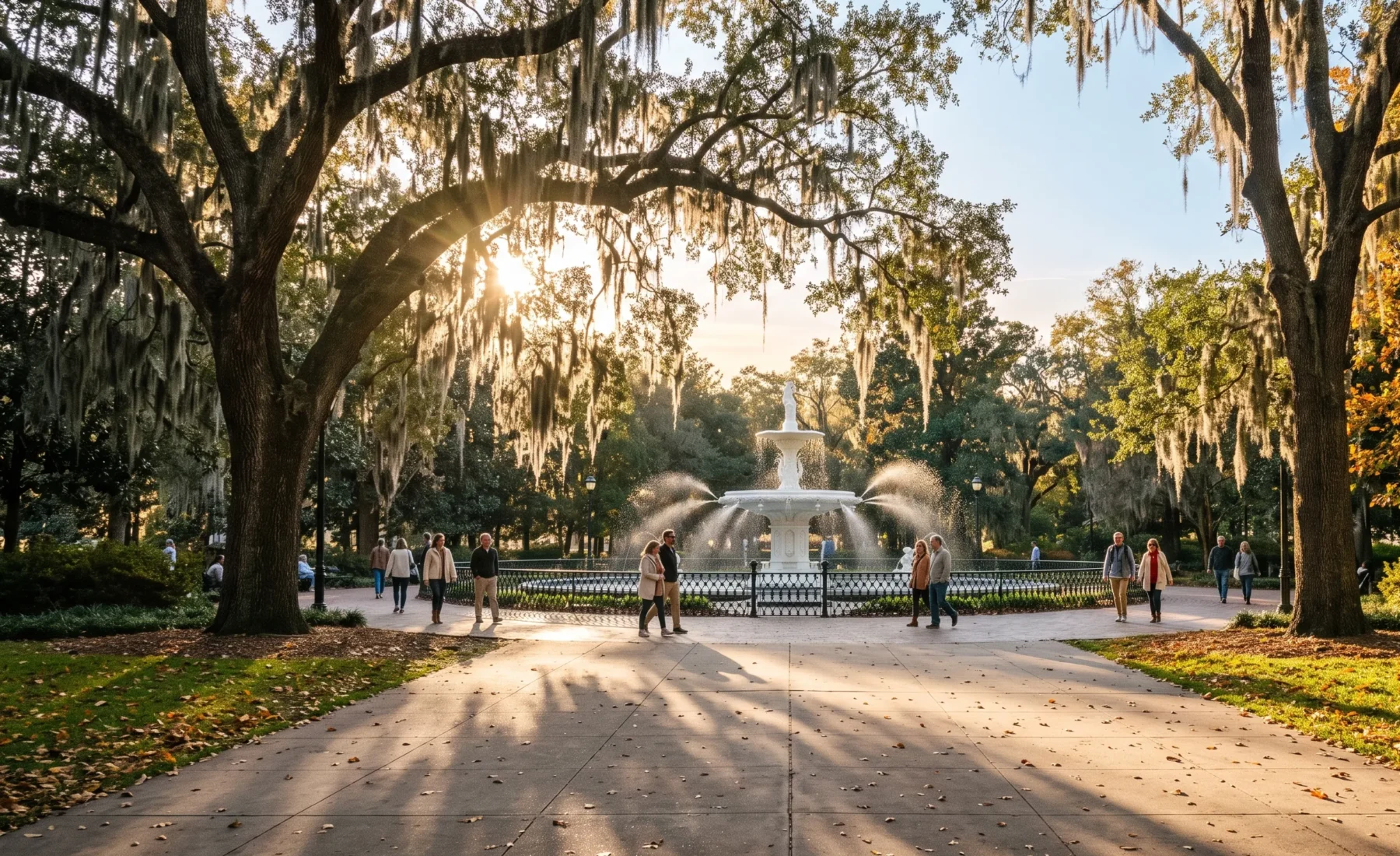
November strips away Savannah's heavy subtropical humidity, trading oppressive heat for low rainfall, golden light through the live oaks, and cool coastal nights.
The November Weather Shift: Sunshine, Humidity, and Nighttime Chill
Summer in Savannah lingers well through September, and even October carries remnants of heavy coastal air. November is when the climate finally resets. Average daytime highs range from 68°F to 75°F, while overnight lows settle between 46°F and 52°F. It is historically the city's driest month, averaging only around two inches of rain, meaning your plans are rarely sidelined by afternoon downpours.
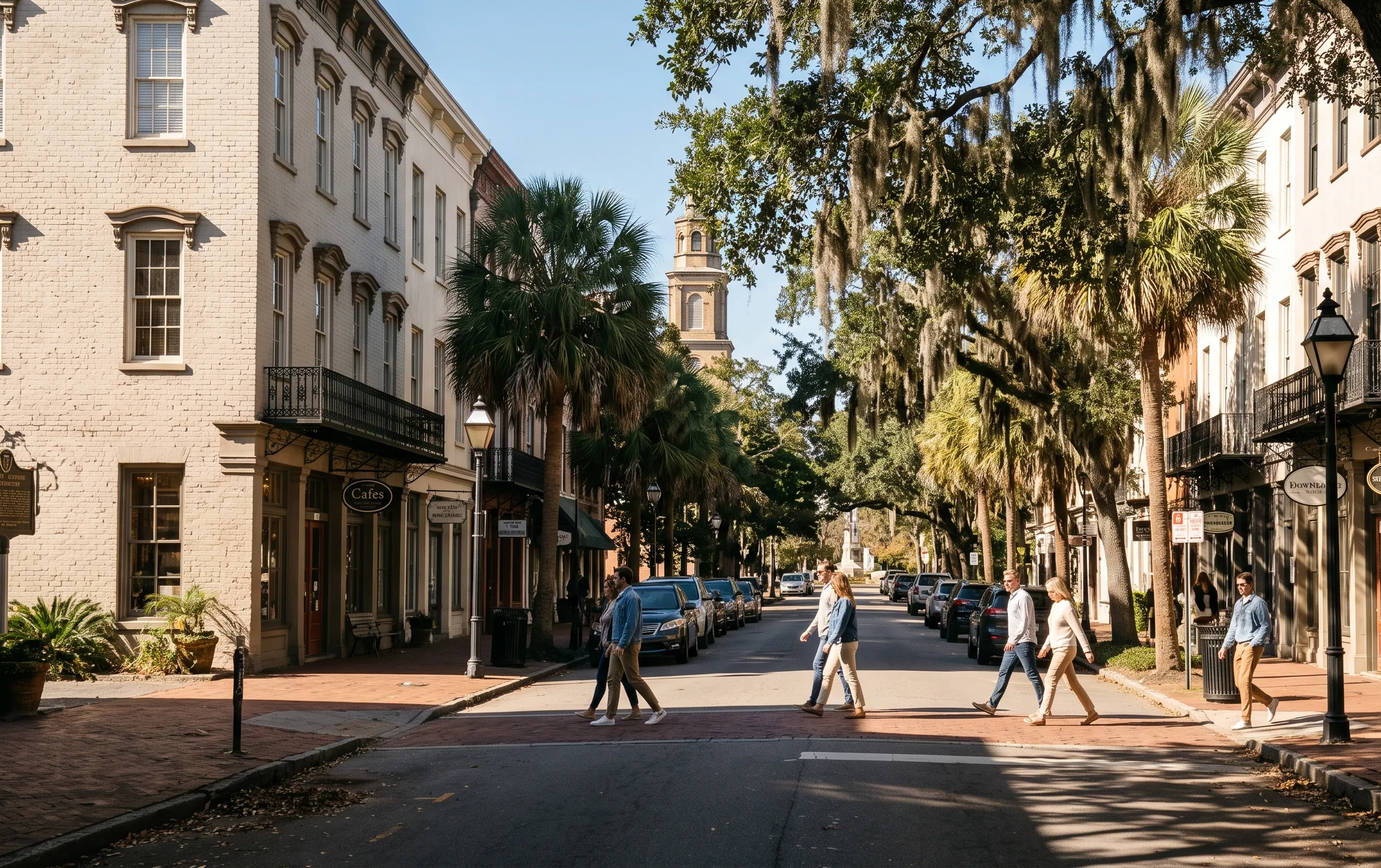
The daily temperature swing often spans 25 degrees. At 2:00 PM on Bull Street, sunlight reflecting off pale brick feels genuinely warm, comfortable in a light cotton shirt or linen sleeves. By 6:30 PM along the riverfront, damp coastal breezes roll off the Savannah River, and 50°F quickly feels brisk. Packing requires practical day-to-night layering: breathable shirts for afternoon walking, paired with a medium wool sweater, a lined trench, or a light jacket for walking back from dinner.
Another distinct seasonal relief is the sharp drop in insect activity. The notorious coastal sand gnats and mosquitoes that hover around marsh edges and shaded park benches during warmer months vanish almost entirely following the first sustained cool snaps of early autumn.
Three Distinct Reasons to Visit in November
Late autumn strips away the exhausting physical barrier of heat, allowing Savannah's geography, architecture, and food culture to function at their unhurried best.
Long Walks Through the 22 Historic Squares
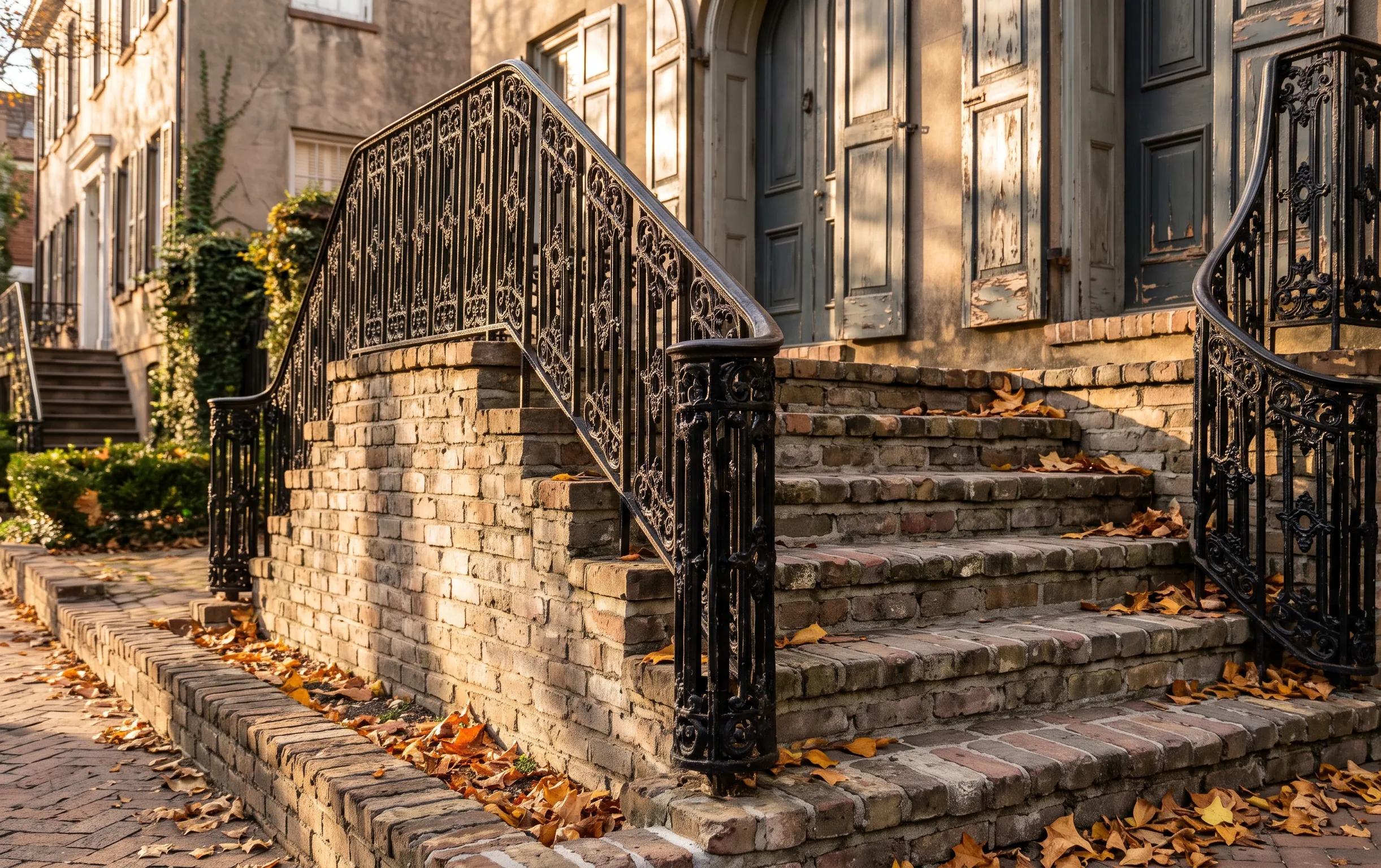
Savannah is fundamentally a walking city, built around General James Oglethorpe's grid of garden squares. In mid-summer, crossing that grid can feel like a test of endurance. In November, it is pure pleasure. Low-angled sunlight filters sideways through dense canopies of Spanish moss, illuminating the ironwork balconies and brick facades around Monterey, Madison, and Chippewa squares.
Because you are not darting from one air-conditioned doorway to the next, you notice the details: the gentle drift of sweetgum and oak leaves along the sidewalks, quiet benches in Forsyth Park that stay shaded without turning sweltering, and empty paths where you can study the city's layered architecture at your own speed.
Porch Weather and Coastal Oyster Season
November marks the full arrival of wild Lowcountry cluster oyster season along the Georgia coast. Local seafood menus lean heavily into steamed cluster oysters, peel-and-eat shrimp, and warming seafood stews. It is also the finest month for al fresco dining in the city's historic courtyards.
Restaurants fire up small courtyard heaters and outdoor stone fire pits as dusk falls. Sitting outside with a drink wrapped in a wool jacket, hearing church bells chime across the district, captures Savannah's slow, hospitable rhythm in a way sticky summer evenings never quite allow.
Solitude at Bonaventure Cemetery and Tybee Island
Visiting Bonaventure Cemetery in warm weather often means dodging tour buses and swatting gnats among the headstones. In November, the Victorian cemetery on the bluff of the Wilmington River feels solitary and still. The moss hangs motionless, the river marsh turns amber, and you can walk the shaded oak avenues in contemplative peace.
A short twenty-minute drive east to Tybee Island reveals an equally dramatic seasonal change. The summer crowds, umbrella rentals, and traffic jams vanish. While the Atlantic is too cold for swimming, the shoreline offers windswept, peaceful beach walks under clear blue skies, with wide tidal flats and driftwood beaches largely to yourself.
Crowds, Timing, and Thanksgiving Logistics
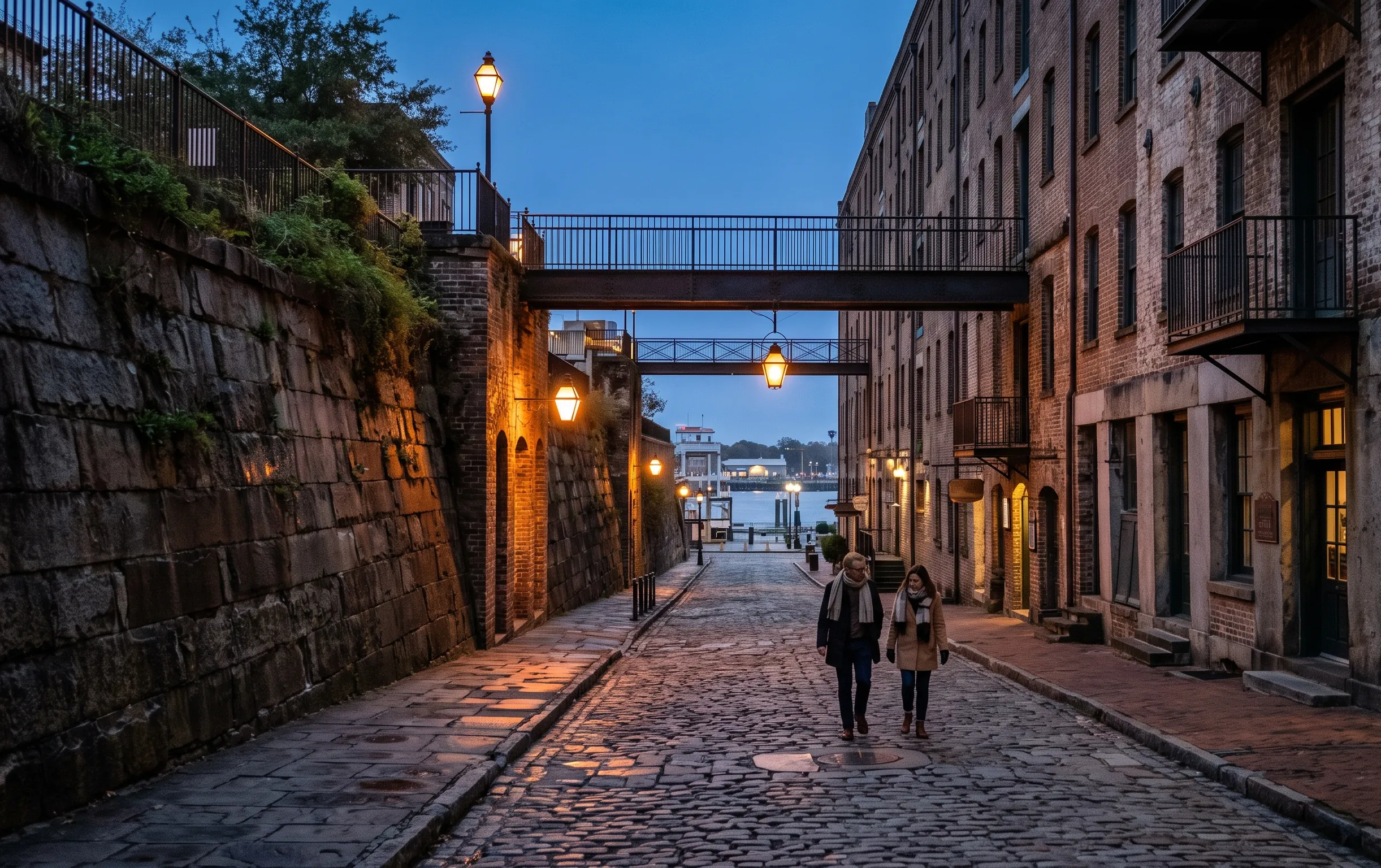
November divides cleanly into two distinct operational chapters. From the first of the month until the weekend before Thanksgiving, Savannah enjoys a calm, civilized shoulder-season pace. Sidewalks are easy to navigate, boutique hotels retain reasonable availability, and dinner reservations at popular dining rooms do not require months of tactical planning.
That dynamic shifts rapidly during Thanksgiving week. Families, regional travelers, and holiday visitors fill the Historic District to capacity. Hotel rates jump sharply, parking around the northern squares tightens, and well-known restaurants book solid weeks ahead. If you travel during holiday week, reserve your table and historic tour bookings as early as possible. For city logistics and street alerts, checking official updates from the City of Savannah helps keep your arrival seamless.
For anyone seeking a quiet coastal escape before the winter holidays take over, similar to heading north for a quiet weekend in places like Cape May for Thanksgiving, early to mid-November offers Savannah at its most natural and hospitable.
Frequently Asked Questions
Is November a good time to visit Savannah?
Yes. November is widely considered one of the finest months to visit Savannah. It brings comfortable daytime temperatures, historically low rainfall, very low humidity, and a dramatic drop in biting insects.
Can you walk around comfortably in Savannah in November?
Savannah is exceptionally walkable in November. Afternoon highs in the upper 60s and low 70s make exploring the 22 historic squares and Forsyth Park pleasant without the heat fatigue typical of late spring and summer.
Is Savannah crowded during Thanksgiving week?
Yes. While the first three weeks of November are quiet and uncrowded, Thanksgiving week brings a substantial influx of travelers, higher hotel rates, and crowded historic district dining rooms that require early reservations.